


Planning a Pilgrimage to Varanasi: A Sacred Journey

Varanasi, one of the oldest living cities in the world, holds a special place in the hearts of millions. It is a city where spirituality and culture blend seamlessly, offering a unique experience for those seeking a sacred journey. Planning a pilgrimage to this holy city requires some preparation to make the most of your visit. This guide will help you navigate the spiritual and practical aspects of your trip to Varanasi.
Understanding the Spiritual Significance of Varanasi
Varanasi is often called the spiritual capital of India. It is believed that a visit here can cleanse one's soul and bring liberation from the cycle of life and death. The city is situated on the banks of the sacred River Ganges, which is central to many Hindu rituals.
Pilgrims come to Varanasi to perform various rites, including the famous Ganga Aarti, a mesmerizing evening prayer ceremony on the ghats. Bathing in the Ganges is considered purifying, and many come to immerse the ashes of their loved ones here, believing it will help their souls attain moksha (liberation).
The city is also home to numerous temples, each with its own story and significance. The spiritual energy here is palpable, making it a profound experience for visitors.
Essential Tips from the varanasi travel guide for a Smooth Pilgrimage
When planning your trip, consider the following practical tips to ensure a smooth and fulfilling pilgrimage:
Best Time to Visit: The ideal months are from October to March when the weather is pleasant. Avoid the monsoon season as heavy rains can disrupt travel plans.
Accommodation: Choose a hotel or guesthouse near the ghats for easy access to the main spiritual sites. Many options range from budget to luxury.
Local Transport: Rickshaws and cycle rickshaws are common for short distances. For longer trips, taxis or app-based cabs are available.
Dress Code: Modest clothing is recommended, especially when visiting temples. Light cotton clothes are suitable for the warm climate.
Health Precautions: Carry bottled water and avoid street food if you have a sensitive stomach. Keep basic medicines handy.
Guided Tours: Hiring a local guide can enrich your experience by providing historical and cultural insights.
By following these tips, you can focus on the spiritual aspects of your journey without worrying about logistics.
Which famous pilgrimage place is located in Varanasi?
One of the most renowned pilgrimage sites in Varanasi is the Kashi Vishwanath Temple. Dedicated to Lord Shiva, this temple is one of the twelve Jyotirlingas, making it a highly revered spot for devotees.
The temple's golden spire shines brightly, symbolizing the divine presence. Pilgrims often wait in long queues to offer prayers and seek blessings. The temple complex also includes several smaller shrines and is located near the ghats, making it accessible for visitors.
Another significant site is the Sarnath, located a few kilometers from Varanasi. It is where Lord Buddha gave his first sermon after enlightenment, making it a key destination for Buddhist pilgrims.

Experiencing the Rituals and Festivals in Varanasi
Participating in the rituals and festivals of Varanasi is a highlight of any pilgrimage. The city is alive with spiritual activities throughout the year.
Ganga Aarti: Held every evening at Dashashwamedh Ghat, this ceremony involves chanting, fire offerings, and music. It is a deeply moving experience that connects you with the divine energy of the river.
Dev Deepawali: Celebrated fifteen days after Diwali, this festival lights up the ghats with thousands of diyas (oil lamps), creating a magical atmosphere.
Makar Sankranti: Marking the harvest season, this festival includes kite flying and special prayers on the ghats.
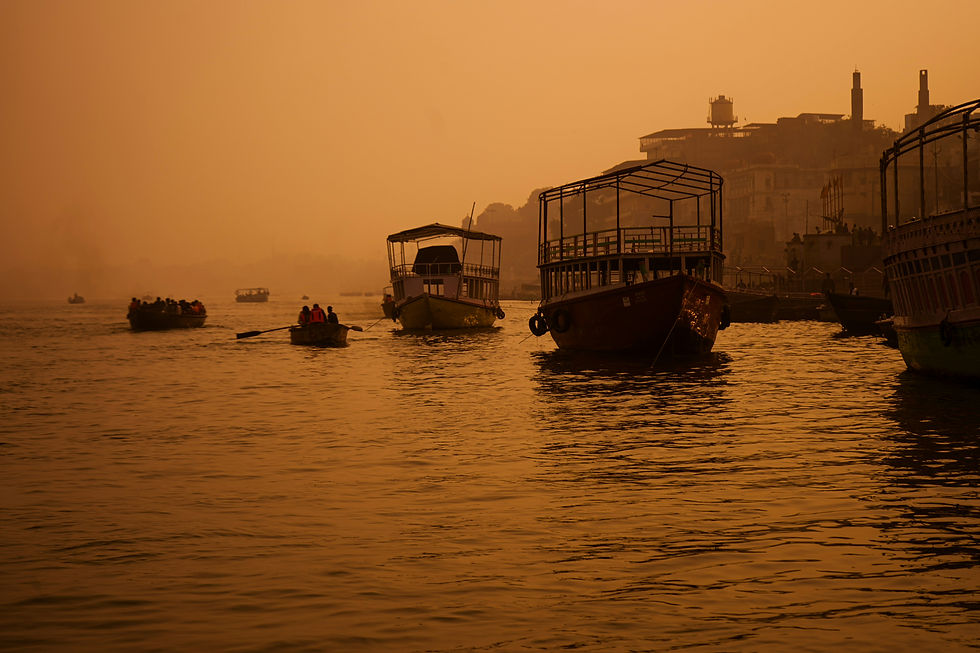
Daily Rituals: Morning boat rides on the Ganges offer a chance to witness pilgrims performing ablutions and priests conducting pujas.
Engaging in these rituals allows you to immerse yourself fully in the spiritual ambiance of Varanasi.

Planning Your Itinerary: Must-Visit Places in Varanasi
To make the most of your pilgrimage, plan your itinerary to include these key locations:
Dashashwamedh Ghat - The main ghat where the Ganga Aarti takes place.
Assi Ghat - Popular for morning yoga sessions and boat rides.
Manikarnika Ghat - The main cremation ghat, symbolizing the cycle of life and death.
Ramnagar Fort - A historical fort and museum showcasing the region's heritage.
Tulsi Manas Mandir - A temple dedicated to Lord Rama with inscriptions of the Ramcharitmanas.
Sarnath - The Buddhist pilgrimage site with stupas and museums.
Allocate time for boat rides, temple visits, and exploring the narrow lanes filled with shops selling religious items and souvenirs.
Preparing Spiritually and Mentally for Your Journey
A pilgrimage is not just a physical journey but also a spiritual one. Preparing yourself mentally can enhance the experience:
Set Intentions: Reflect on what you hope to gain from the pilgrimage, whether it is peace, healing, or spiritual growth.
Learn Basic Prayers: Familiarize yourself with common chants or mantras used in Varanasi.
Practice Mindfulness: Be present during rituals and interactions to absorb the spiritual energy.
Respect Local Customs: Observe the traditions and etiquette of the city to show reverence.
By approaching your trip with an open heart and mind, you will find the pilgrimage deeply rewarding.
Embarking on Your varanasi pilgrimage
Planning a pilgrimage to Varanasi is a step towards a transformative experience. This sacred city offers a unique blend of ancient traditions, spiritual practices, and cultural richness. Whether you come to seek blessings, perform rituals, or simply soak in the divine atmosphere, Varanasi welcomes you with open arms.
For detailed travel tips and pilgrimage packages, you can explore more about the varanasi pilgrimage to prepare your journey perfectly.
May your sacred journey to Varanasi bring you peace, enlightenment, and unforgettable memories.


Comments